
Plain English
Pest dictionary
58 pest control words in plain English, so you can follow what a pest pro tells you. Each one links to the page where it matters most.
What you're probably wondering
Need a pro? Call (855) 424-9709 to reach an independent local pest control company.
A
- Alates (swarmers)
- Winged adult termites or ants that leave the colony to mate and start new colonies. Seeing them indoors is a strong sign of a nearby colony. Related help
- American cockroach
- A large reddish-brown cockroach that often comes in from sewers, drains and outdoors. Related help
- Ant trail
- The line ants follow, marked with scent. Following it can lead to the nest. Related help
B
- Bait
- A pest control product that pests eat and carry back to the nest. Used for ants, roaches, termites and rodents. Related help
- Bait station
- A closed box that holds bait so pests can reach it but children and pets can't. Related help
- Bald-faced hornet
- A black-and-white hornet that builds large, enclosed paper nests in trees and on buildings. Related help
- Black widow
- A shiny black spider with a red hourglass under the belly. Bites need medical attention. Related help
- Blacklight check
- Scorpions glow under ultraviolet light, so people use a blacklight at night to spot them. Related help
- Brown recluse
- A brown spider with a violin-shaped mark, found mostly in the central and southern U.S. Related help
C
- Carpenter ant
- A large ant that nests in damp or soft wood. It doesn't eat wood but hollows it out. Related help
- Carpet beetle
- A small beetle whose fuzzy larvae feed on wool, silk and other natural fibers. Related help
- Cast skins
- The empty skins insects shed as they grow. Bed bug and roach skins are common signs. Related help
- Colony
- A group of social insects like ants, termites or wasps living together with one or more queens. Related help
- Crack-and-crevice treatment
- Putting small amounts of product directly into the gaps where pests hide, instead of spraying open surfaces. Related help
D
- Door sweep
- A strip along the bottom of a door that closes the gap pests crawl through. Related help
- Drain fly
- A small fuzzy fly that breeds in the film inside drains. Related help
- Droppings
- Pest waste. Mouse droppings are small and pointed; rat droppings larger; roach droppings look like pepper. Related help
- Drywood termites
- Termites that live inside dry wood and push out small pellets instead of building mud tubes. Related help
E
- Egg case (ootheca)
- The capsule cockroaches lay that holds many eggs. Related help
- EPA registration number
- The number on a pesticide label showing it's registered with the EPA. EPA says to read and follow the label.
- Exclusion
- Sealing the gaps pests use to get in, such as around pipes, vents and doors. CDC's Seal Up guidance covers rodents. Related help
F
- Fecal spots
- Small dark spots pests leave behind; on mattresses, they're a sign of bed bugs. Related help
- Flea dirt
- Tiny black specks of flea waste on pets and bedding. On damp paper they turn reddish. Related help
- Fogger (bug bomb)
- A can that releases pesticide into a room. EPA warns foggers can be a fire and health risk if misused and often don't reach hidden pests. Related help
- Frass
- Sawdust-like material and waste pushed out by wood-boring insects such as carpenter ants. Related help
- Fruit fly
- A small fly that breeds in ripe fruit, spills and drains. Related help
G
- German cockroach
- A small tan cockroach with two dark stripes behind the head. It lives indoors and spreads quickly. Related help
- Glue board
- A sticky trap that catches crawling insects and shows where they're active. Related help
- Gnaw marks
- Chew marks on wood, plastic, wires or food packages left by rodents. Related help
H
- Hantavirus
- A virus that can spread through rodent droppings and urine. CDC has guidance on safe cleanup. Related help
- Harborage
- A hiding place pests use, like cracks, clutter and wall voids. Related help
- Heat treatment
- Raising a room's temperature high enough to kill bed bugs and eggs. Done by trained pest pros. Related help
I
- Insect repellent
- A product for skin or clothing that keeps biting insects away. CDC lists EPA-registered ingredients such as DEET and picaridin. Related help
- Integrated pest management (IPM)
- An approach EPA describes that combines prevention, monitoring and targeted treatment to control pests with less risk.
L
- Larvae
- The worm-like young stage of insects such as flies, fleas, moths and beetles. Related help
M
- Mattress encasement
- A zippered cover that seals a mattress or box spring so bed bugs inside can't get out or bite. Related help
- Mud tubes
- Pencil-width tunnels of soil subterranean termites build on foundations and walls to reach wood. Related help
N
- Nest
- Where a pest colony lives and breeds. Treating the nest, not just the pests you see, is often the key. Related help
- Nymph
- A young insect that looks like a small adult, like a baby roach or bed bug. Related help
P
- Pantry pests
- Moths and small beetles that infest stored food such as flour, cereal and spices. Related help
- Paper wasp
- A wasp that builds open, umbrella-shaped nests under eaves and railings. Related help
- Perimeter treatment
- Treating around the outside of a house to stop pests getting in. Related help
- Pesticide label
- The instructions on a pesticide. EPA's guidance is to read the label and follow it exactly.
- Pheromone trap
- A trap baited with insect scent signals, often used for pantry moths. It shows activity more than it solves the problem. Related help
Q
- Queen
- The egg-laying female of a colony of ants, termites or wasps. Related help
R
- Rodenticide
- Poison for rodents. It can leave rodents dying in walls and must be kept away from children and pets. Related help
- Runways and rub marks
- Paths rodents use along walls, often with dark greasy marks where their fur brushes. Related help
S
- Satellite nest
- A smaller nest connected to a main colony, common with carpenter ants inside houses. Related help
- Silverfish
- A small, silvery, wingless insect that likes damp spots and feeds on paper and starches. Related help
- Snap trap
- A spring trap for mice and rats. Place along walls where rodents travel. Related help
- Standing water
- Water that sits for days in containers and dips in the yard, where mosquitoes breed. Related help
- Stink bug
- A shield-shaped bug that shelters indoors in fall and winter and releases a smell when crushed. Related help
- Subterranean termites
- Termites that live in soil and build mud tubes to reach wood in a house. Related help
T
- Termite bait system
- Stations placed in the soil around a house that termites feed on and share with the colony. Related help
- Termiticide
- A product applied to soil or wood to kill or block termites. Related help
- Tick check
- Checking your body, clothes and pets for ticks after being outdoors, as CDC recommends. Related help
W
- WDI report
- A wood-destroying insect report from an inspector, often used when buying a house. Related help
Y
- Yellowjacket
- A yellow-and-black wasp that often nests in the ground or walls and gets aggressive in late summer. Related help
Keep exploring
Pest help by pest
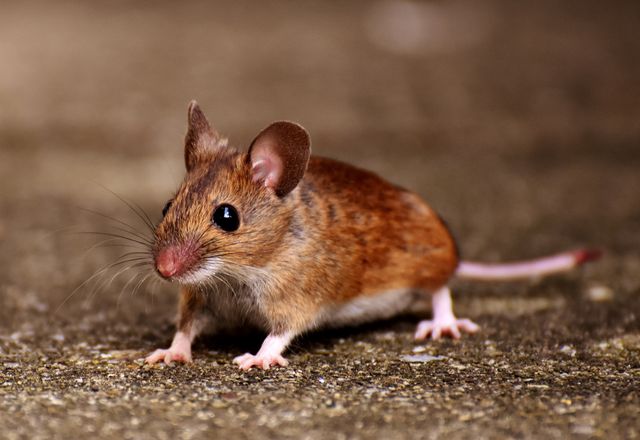
Mice and rats
Mice and rats move indoors for food, water and warmth, mostly in fall and winter.
Signs and what to do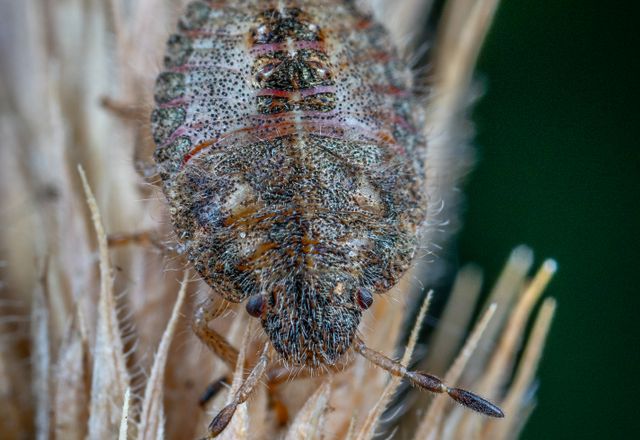
Bed bugs
Bed bugs ride in on luggage, used furniture and clothing, and hide within a few feet of where people sleep.
Signs and what to do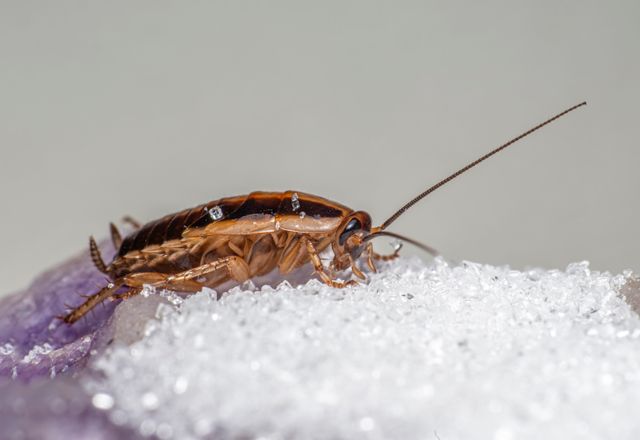
Cockroaches
German cockroaches live indoors near food and water; larger American roaches come in from drains and outside.
Signs and what to do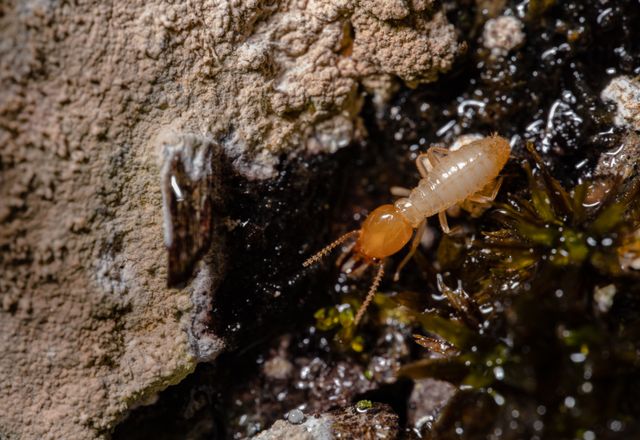
Termites
Subterranean termites come up from the soil through mud tubes; drywood termites live inside the wood itself.
Signs and what to do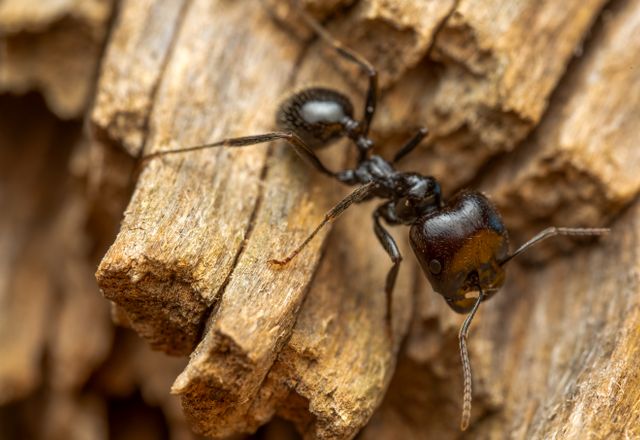
Ants
Most indoor ants are foragers from an outdoor nest; carpenter ants and some others nest inside.
Signs and what to do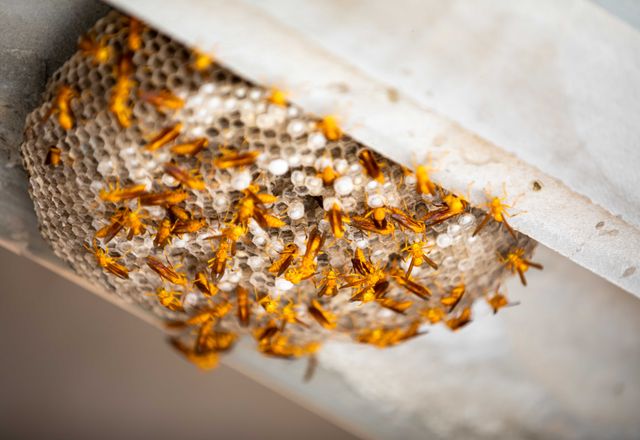
Wasps, hornets and yellowjackets
Stinging insects build nests under eaves, in walls, shrubs and in the ground.
Signs and what to do
Spiders and scorpions
Spiders follow the insects they eat; scorpions shelter in walls and yard debris in the Southwest.
Signs and what to do
Fleas and ticks
Fleas build up in carpets and pet bedding; ticks wait in tall grass and leaf litter.
Signs and what to do
Mosquitoes
Mosquitoes breed in small pockets of standing water and rest in shady plants.
Signs and what to do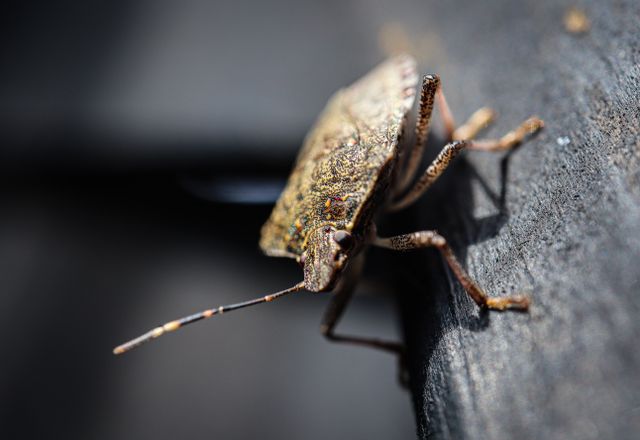
Stink bugs, pantry pests and other bugs
Fall invaders and pantry pests are mostly a nuisance but can build up fast.
Signs and what to do