
Pest guide
Fleas and ticks
Pet scratching, itchy bites around your ankles, or a tick after time in the yard? Here's what to check and how to break the cycle.
What you're probably wondering
Need a pro? Call (855) 424-9709 to reach an independent local pest control company.
Start here
Check these first
What a pest pro would look at first. Most of it takes a flashlight and a few minutes.
- 1
Check your pet: part the fur near the tail and belly and look for tiny dark fleas or black specks (flea dirt).
- 2
Look for bites on ankles and shins. That's typical of fleas.
- 3
Check pet beds, rugs and couches where pets rest.
- 4
Do a tick check after time outside: behind knees, waist, armpits, scalp and behind ears.
- 5
Look at the yard: tall grass, leaf piles and brush at the lawn edge hold ticks.
- 6
Think about strays or rodents near the house. They can bring fleas.
Your situation
Common situations with fleas and ticks
Read the signs
If you see this, it usually means…
Identify
How to tell what you have
Flea
Tiny (1/8 in.), dark reddish-brown, flat side to side, jumps.
Bites in clusters, often on ankles; linked to pets.
Tick
Small, flat, oval with 8 legs; swells after feeding; doesn't jump.
Attaches and stays on; found after time outdoors.
Quick facts
Practical steps
What to do now
What you can do today
- Talk to your vet about flea and tick products that suit your pet.
- Vacuum carpets, rugs, furniture and pet areas, and empty the vacuum outside.
- Wash pet bedding and throws on hot.
- After outdoor time, do a full tick check and shower soon after.
- Tumble dry outdoor clothes on high heat for 10 minutes to kill ticks (CDC).
What to avoid
- Don't use dog flea products on cats. Some are dangerous to them; follow the label and your vet's advice.
- Don't treat only the pet. Most fleas live in the home as eggs and young fleas.
- Don't twist, burn or smother a tick with petroleum jelly. Pull it straight out with tweezers.
- Don't rely on yard spraying alone for tick safety; CDC says personal protection still matters.
Health and safety
- Ticks can spread germs that cause illnesses such as Lyme disease and Rocky Mountain spotted fever. CDC: ticks are most active April through September, but bites happen year-round.
- Fleas can spread germs too, such as flea-borne typhus. See a doctor if you get fever, aches or a rash after flea or tick exposure.
- Remove attached ticks promptly with fine-tipped tweezers, pulling straight up, then clean the area.
Based on public guidance from the U.S. EPA and CDC. See the sources below. In an emergency, call 911.
Getting help
When it's time for a pro
When to call a pro
Call a pro if fleas are still around after a few weeks of pet treatment and vacuuming, or if you keep finding ticks after time in your own yard.
What a pro visit usually looks like
- 1
Inspection
Finding where fleas are breeding indoors, or where ticks are concentrated in the yard.
- 2
Indoor treatment
Treating carpets and pet areas, timed with your vet's pet treatment.
- 3
Yard treatment
Treating tick and flea hot spots: shady edges, brush and pet resting spots.
- 4
Follow-up
A second visit for fleas is common, since eggs keep hatching.
Pros usually treat indoors and the yard together, timed with your pets' treatment. Ask the company you speak with how they plan to handle your situation and how to prepare.
Prevention
Keep fleas and ticks from coming back
- Keep pets on year-round flea and tick prevention, as your vet advises.
- Mow often and remove leaf litter and tall grass at the lawn edge.
- Put a barrier of wood chips or gravel between lawns and wooded areas (CDC tick-safe zone).
- Keep play sets and patios away from yard edges and trees.
- Seal gaps that let rodents and strays get under porches and decks.
- Vacuum often where pets sleep.

Match what you see
Signs of fleas and ticks

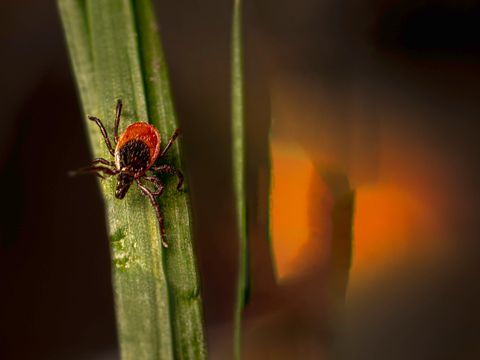
Learn more
Want the full picture?

Sources
- Preventing Fleas CDC
- Preventing Tick Bites CDC
- Prevent Mosquito and Tick Bites (Fight the Bite) CDC
- Preventing Mosquito and Tick Bites: Key Points CDC
Our pages are our own plain-language summaries of public U.S. government guidance, with links to the originals.
FAQ
Questions about fleas and ticks
Why do I still have fleas after treating my pet?
Eggs and young fleas in carpets and furniture keep hatching for weeks. Keep vacuuming and keep the pet on treatment, and it should taper off.
Can fleas live in a house without pets?
For a while. Fleas can come in on rodents or strays near the house, or stay behind after a previous owner's pets.
How do I remove a tick?
Grip it close to the skin with fine-tipped tweezers and pull straight up with steady pressure. Clean the area and your hands afterward.
When are ticks most active?
CDC says most active in warmer months, April to September, though bites can happen year-round.
How do I know if I have fleas?
Itchy bites, often around ankles, and pets scratching. Fleas jump; flea dirt looks like black specks.
Do I need to treat the house and the pet?
Usually both. Talk to your vet about the pet; flea eggs and larvae live in the home.
Does vacuuming help with fleas?
Yes. Vacuum often and empty the vacuum outside.
Where do ticks live?
In tall grass, leaf litter and wooded edges. CDC suggests checking for ticks after being outdoors.
How long does a tick need to be attached to spread disease?
It varies by disease. CDC advises removing ticks as soon as possible.
Should I see a doctor after a tick bite?
If you develop a rash, fever or other symptoms in the weeks after a bite, see a doctor.
Can fleas live in carpets?
Yes. Eggs and larvae develop in carpets and pet bedding.
How do I keep ticks out of my yard?
Keep grass short, clear leaf litter, and create a barrier between lawn and woods.
Pests
Other common pests
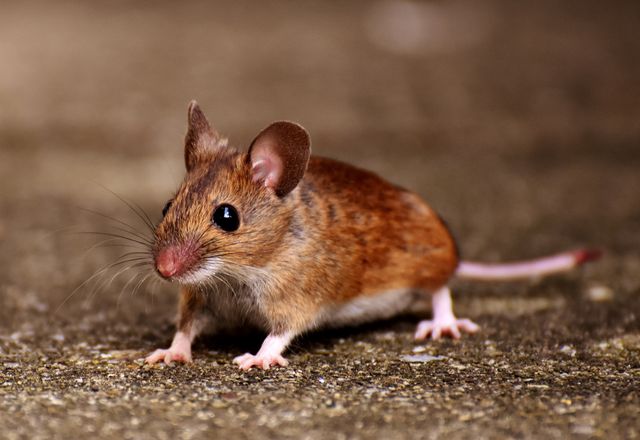
Mice and rats
Mice and rats move indoors for food, water and warmth, mostly in fall and winter.
Signs and what to do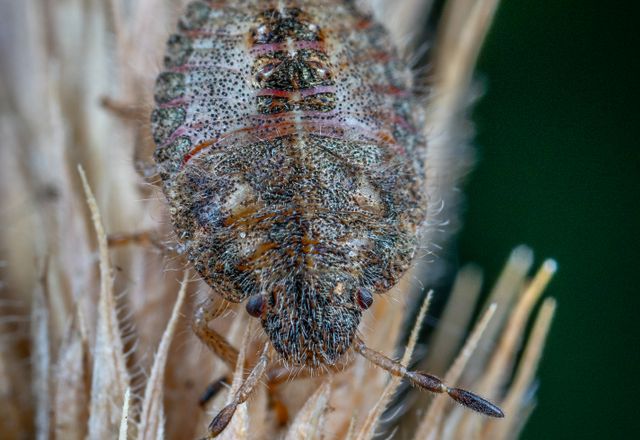
Bed bugs
Bed bugs ride in on luggage, used furniture and clothing, and hide within a few feet of where people sleep.
Signs and what to do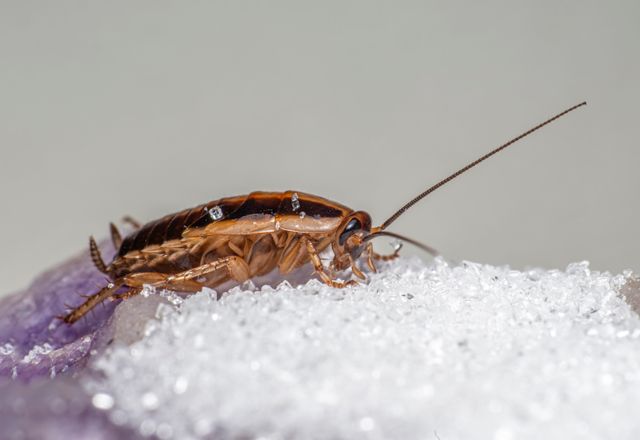
Cockroaches
German cockroaches live indoors near food and water; larger American roaches come in from drains and outside.
Signs and what to doOur partner
Rather book online?
Compare local pest control pros, see their reviews and past jobs, and book through Thumbtack.
