
Pest guide
Bed bugs
Itchy bites after sleeping, spots on the sheets or bugs in the mattress seams? Here's how to check, what to do first, and what not to do.
What you're probably wondering
Need a pro? Call (855) 424-9709 to reach an independent local pest control company.
Start here
Check these first
What a pest pro would look at first. Most of it takes a flashlight and a few minutes.
- 1
Pull back the sheets and look at the mattress seams, piping and tags with a flashlight.
- 2
Look for small dark spots (like marker dots) on sheets, the mattress and the box spring. That's bed bug droppings.
- 3
Check the headboard, bed frame joints and nightstand, especially cracks and screw holes.
- 4
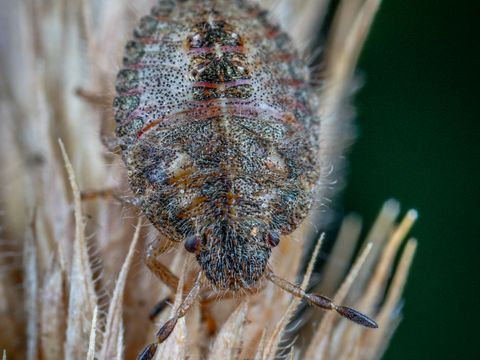
Look for live bugs: flat, reddish-brown, about the size of an apple seed. Young ones are smaller and paler.
- 5
Look for shed skins and tiny white eggs in seams and corners.
- 6
Think back: recent trip, used furniture, or a neighbor with bed bugs?
Your situation
Common situations with bed bugs
Worried about bed bugs after a hotel stay?
Bed bugs travel in luggage and clothing.
Read Call todayBed bugs on the couch?
Bed bugs don't only live in beds.
Read Act this weekBed bug bites or mosquito bites?
Bites alone can't confirm bed bugs, but where and when they show up gives strong clues.
ReadRead the signs
If you see this, it usually means…
Identify
How to tell what you have
Bed bug
Flat, oval, reddish-brown, about the size of an apple seed. No wings. Hides in seams and cracks.
Bites usually show up after sleeping, often in rows.
Carpet beetle or flea
Carpet beetles are round and patterned; fleas are tiny, dark and jump.
Fleas usually bite ankles and are linked to pets. Carpet beetles don't bite.
Quick facts
Practical steps
What to do now
What you can do today
- Strip the bed. Put bedding in a sealed plastic bag, then wash and dry on the highest heat the fabric allows.
- Vacuum the mattress seams, bed frame and floor around the bed, then seal the vacuum bag and throw it out outside.
- Pull the bed a few inches from the wall and keep bedding off the floor.
- Put mattress and box spring encasements on, if you have them.
- Cut clutter around the bed. It gives bed bugs more places to hide.
What to avoid
- Don't use foggers or "bug bombs". EPA warns they don't reach bed bugs in cracks and can be a fire and health hazard.
- Don't use rubbing alcohol, kerosene or gasoline. They can ignite.
- Don't move to the couch or another bedroom. Bed bugs follow and spread.
- Don't throw out furniture in a panic. Most items can be treated, and dragging them out can spread bugs.
Health and safety
- EPA, CDC and USDA consider bed bugs a public health pest. They aren't known to spread disease.
- Bites can itch badly and some people react strongly. The bigger toll is often lost sleep and stress.
- Scratching bites can lead to skin infections. Ask a doctor or pharmacist about anything that looks infected.
Based on public guidance from the U.S. EPA and CDC. See the sources below. In an emergency, call 911.
Getting help
When it's time for a pro
When to call a pro
Call a pro if you've confirmed bed bugs, see signs in more than one room, or still find bugs after washing and vacuuming.
What a pro visit usually looks like
- 1
Inspection
Confirming it's bed bugs and finding every room and item involved.
- 2
Prep list
A list of what to wash, bag and move before treatment. Following it closely makes a big difference.
- 3
Treatment
Often a combination: heat, vacuuming, steam, encasements and targeted products in cracks and seams.
- 4
Follow-up
Return visits, because eggs can hatch after the first treatment.
Pros usually inspect, then treat with heat or a planned series of treatments with follow-up visits. Ask the company you speak with how they plan to handle your situation and how to prepare.
Prevention
Keep bed bugs from coming back
- When traveling, keep luggage off the bed and floor; use the luggage rack and check it first.
- Unpack straight into the washer when you get home, and dry on high heat.
- Check used furniture, mattresses and couches closely before bringing them in.
- Use mattress and box spring encasements and check them for tears.
- In shared laundry rooms, carry clothes in plastic bags and fold at home.
- Keep clutter down, especially in bedrooms.

Match what you see
Signs of bed bugs

Learn more
Want the full picture?

Sources
- Bed Bugs: Get Them Out and Keep Them Out U.S. EPA
- Bed Bug Prevention, Detection and Control U.S. EPA
- Citizen's Guide to Pest Control and Pesticide Safety U.S. EPA
Our pages are our own plain-language summaries of public U.S. government guidance, with links to the originals.
FAQ
Questions about bed bugs
Can I see bed bugs with my eyes?
Yes. Adults are about the size of an apple seed. Young ones are smaller and paler, and eggs are tiny and white, so a flashlight helps.
Do bed bugs mean my house is dirty?
No. Bed bugs travel on luggage, furniture and clothing and turn up in clean homes and hotels too. Clutter just gives them more places to hide.
Will washing my sheets get rid of them?
It helps with the bedding, but bed bugs also hide in the mattress, frame, furniture and cracks. That's why a full plan is usually needed.
How long can bed bugs live without feeding?
EPA notes they can survive several months to a year without a meal, so leaving a room empty for a while usually doesn't work.
Where do bed bugs hide?
Mattress seams, box springs, bed frames, headboards, couch seams and cracks near the bed.
What are the signs of bed bugs?
Small rusty or dark spots on sheets, shed skins, tiny eggs, live bugs in seams, and bites in rows or clusters.
Do bed bugs jump or fly?
No. They crawl, and they travel in luggage, furniture and clothing.
Can I get rid of bed bugs myself?
EPA describes non-chemical steps that help, but bed bugs are hard to clear; many people need a pro.
Should I throw out my mattress?
Not usually. Mattresses can often be treated and covered with an encasement.
Does heat kill bed bugs?
Yes. High heat in a clothes dryer kills bed bugs on items that can go in it; pros use whole-room heat treatment too.
How do bed bugs spread between apartments?
Through gaps in walls, outlets and shared spaces, and on belongings.
What should I tell the pest company?
Where you've seen signs, how long, and whether neighbors or recent travel are involved.
Pests
Other common pests

Mice and rats
Mice and rats move indoors for food, water and warmth, mostly in fall and winter.
Signs and what to do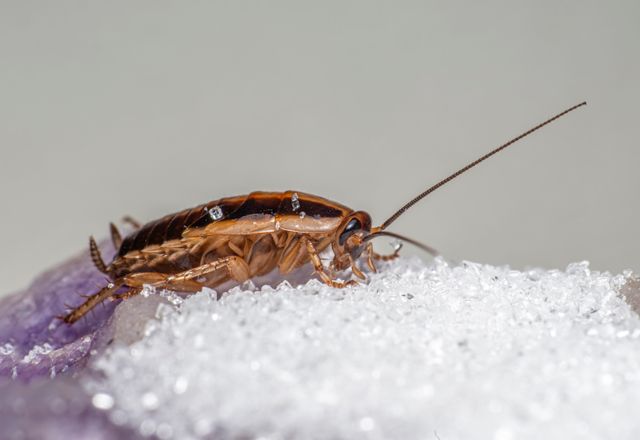
Cockroaches
German cockroaches live indoors near food and water; larger American roaches come in from drains and outside.
Signs and what to do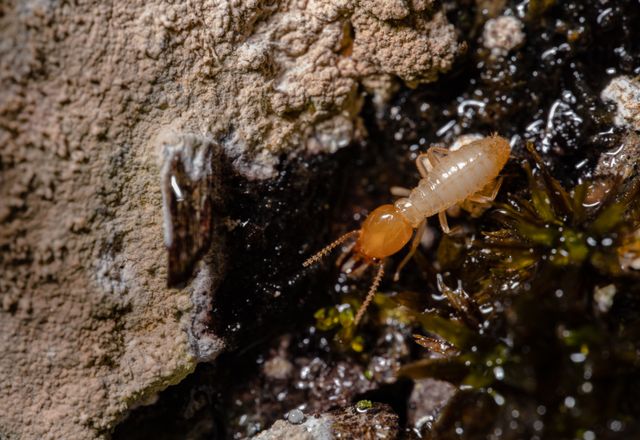
Termites
Subterranean termites come up from the soil through mud tubes; drywood termites live inside the wood itself.
Signs and what to doOur partner
Rather book online?
Compare local pest control pros, see their reviews and past jobs, and book through Thumbtack.
