
Pest guide
Ants
A line of ants on the counter, ants in the bathroom, or mounds in the yard that sting? Here's how to find where they come from and what works.
What you're probably wondering
Need a pro? Call (855) 424-9709 to reach an independent local pest control company.
Start here
Check these first
What a pest pro would look at first. Most of it takes a flashlight and a few minutes.
- 1
Follow the trail back to where the ants enter: a window, door frame, outlet or crack.
- 2
Find what they're after: crumbs, sugar, pet food, sticky spills, or water.
- 3
Note the ant's size and color: tiny and dark, larger and black, or reddish.
- 4
Check for sawdust-like piles near wood. That can mean carpenter ants.
- 5
Check the yard for mounds, especially after rain, and note whether they sting.
- 6
Look for winged ants indoors. A swarm can mean a nest inside.
Your situation
Common situations with ants
Ants in the bathroom?
Ants in a bathroom are usually after water.
Read Act this weekAnts in the house in winter?
Ants active indoors in cold months usually means a nest inside the house.
Read Act this weekCarpenter ants in the house?
Large black ants and sawdust-like piles often mean carpenter ants nesting in damp or damaged wood.
ReadRead the signs
If you see this, it usually means…
Identify
How to tell what you have
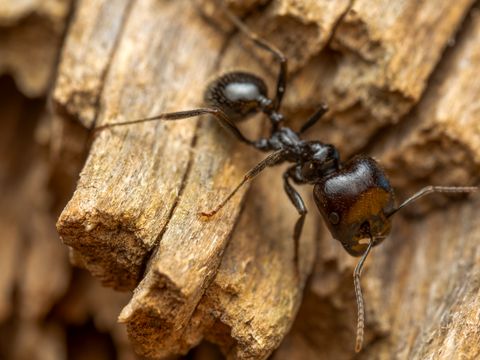
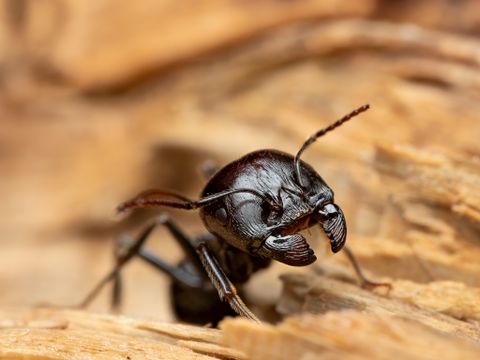
Carpenter ant
Large, about 1/4–1/2 in., usually black. Leaves sawdust-like piles.
Nests in damp or damaged wood; doesn't eat wood but hollows it out.
Termite
Pale and soft-bodied workers; swarmers have straight antennae and equal wings.
Leaves mud tubes; feeds on wood.
Quick facts
Practical steps
What to do now
What you can do today
- Wipe the trail with soapy water to remove the scent path they follow.
- Clean up crumbs and sticky spills, and rinse food containers before recycling.
- Store sugar, honey, cereal and pet food in sealed containers.
- Seal the entry crack with caulk once the ants are gone from it.
- Use ant baits along the trail instead of spraying, and keep them away from kids and pets.
What to avoid
- Don't spray the trail with a repellent spray if you're using baits. It can scatter the colony.
- Don't disturb fire ant mounds. They sting in large numbers.
- Don't use outdoor products indoors.
- Don't ignore carpenter ants with damp wood. The wood and the moisture both need attention.
Health and safety
- Most household ants are a nuisance, not a health risk.
- Fire ants sting, and stings can cause painful bumps. CDC/NIOSH notes some people have serious allergic reactions to stinging insects.
- If someone has trouble breathing or swelling of the face or throat after stings, call 911.
Based on public guidance from the U.S. EPA and CDC. See the sources below. In an emergency, call 911.
Getting help
When it's time for a pro
When to call a pro
Call a pro if ants keep coming back after a week of cleaning and baits, you suspect carpenter ants, or you have stinging fire ants in the yard.
What a pro visit usually looks like
- 1
Inspection
Identifying the ant and finding the nest, inside or out.
- 2
Baits and targeted treatment
Baits the ants carry back to the nest, plus treatment at entry points or the outside perimeter.
- 3
Moisture and wood check
For carpenter ants, finding the damp wood they're nesting in.
- 4
Follow-up
Checking that trails have stopped, and adjusting baits if needed.
Pros usually identify the species, then use baits or targeted treatment to reach the colony. Ask the company you speak with how they plan to handle your situation and how to prepare.
Prevention
Keep ants from coming back
- Keep counters, floors and pet bowls clean.
- Store sweet and sticky foods sealed.
- Seal cracks around windows, doors and pipes.
- Trim branches and plants that touch the house; ants use them as bridges.
- Fix leaks and replace damp or rotting wood.
- Keep mulch and wood piles away from the foundation.

Learn more
Want the full picture?

Sources
- Do You Really Need to Use a Pesticide? U.S. EPA
- Preventing Pests at Home (fact sheet, PDF) U.S. EPA
- Do's and Don'ts of Pest Control U.S. EPA
- Got Pests? Control Them Safely U.S. EPA
- Insects and Scorpions at Work CDC / NIOSH
Our pages are our own plain-language summaries of public U.S. government guidance, with links to the originals.
FAQ
Questions about ants
Why do ants keep coming back?
Usually because the nest is still active and there's still food or water to find. Baits plus removing the food source and sealing the entry point is what breaks the cycle.
Are carpenter ants as bad as termites?
They're different. Carpenter ants hollow out damp or damaged wood rather than eating it, and the damage is usually slower. They still need attention, along with the moisture problem.
Why do I see more ants after putting out bait?
Ants are being drawn to the bait and carrying it back. Activity usually drops within days to a couple of weeks.
Are ants in winter a sign of a nest indoors?
Often, yes. Ants active indoors in cold months usually have a nest inside the house.
What kind of ants do I have?
Size, color and where they trail help. A pest pro can identify them, which matters for treatment.
Do ant baits work?
Often, because workers carry bait back to the colony. It can take days to see fewer ants.
Why are ants in my kitchen?
They're after food, crumbs, sweet spills and water.
Should I spray ants I see?
Spraying can kill the trail but not the colony, and can make some ants split into new colonies.
Are sugar ants a specific kind?
It's a common name for small ants attracted to sweets, not one species.
Do ants come from the walls?
Some nest in walls or under floors, especially near moisture.
How do I keep ants out?
Clean up food, seal entry gaps, fix leaks, and trim plants touching the house.
When should I call a pro for ants?
If they keep coming back, you see carpenter ants, or you find winged ants indoors.
Pests
Other common pests
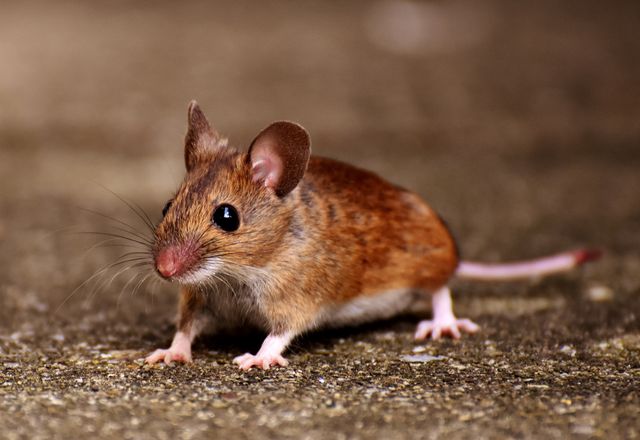
Mice and rats
Mice and rats move indoors for food, water and warmth, mostly in fall and winter.
Signs and what to do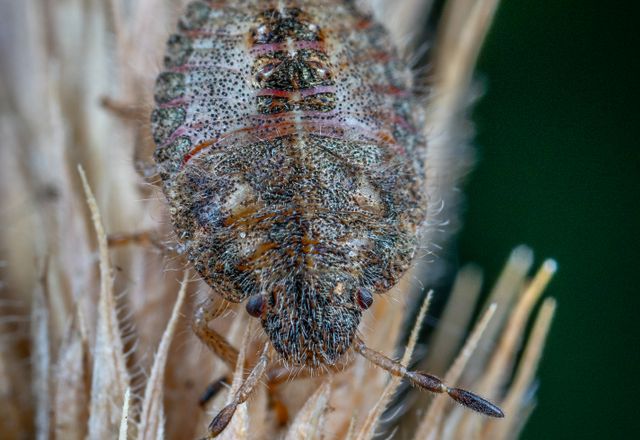
Bed bugs
Bed bugs ride in on luggage, used furniture and clothing, and hide within a few feet of where people sleep.
Signs and what to do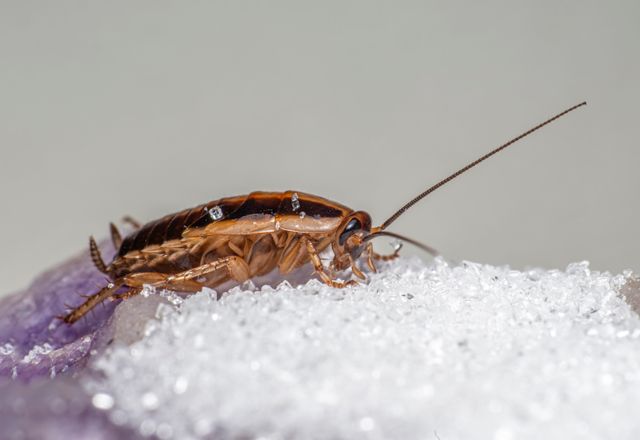
Cockroaches
German cockroaches live indoors near food and water; larger American roaches come in from drains and outside.
Signs and what to doOur partner
Rather book online?
Compare local pest control pros, see their reviews and past jobs, and book through Thumbtack.
