
Pest guide
Mice and rats
Droppings, gnaw marks or scratching at night? Here's how to tell mice from rats, what to check first, and how to clean up safely.
What you're probably wondering
Need a pro? Call (855) 424-9709 to reach an independent local pest control company.
Start here
Check these first
What a pest pro would look at first. Most of it takes a flashlight and a few minutes.
- 1
Look for droppings in drawers, under the sink, behind the stove and along walls. Mouse droppings are rice-sized; rat droppings are closer to a raisin.
- 2
Check food in the pantry for chewed corners on boxes and bags.
- 3
Listen at night for scratching or running in walls, ceilings and the attic.
- 4
Look for gaps around pipes under sinks, behind appliances, at the garage door and where cables enter the house.
- 5
Note greasy rub marks along baseboards and paths behind furniture. Rodents travel the same routes every night.
- 6
Smell for a musty, stale odor in closed cabinets, the basement or the attic.
Your situation
Common situations with mice and rats
Mice in the walls?
Scratching, scurrying or squeaking inside the walls at night usually means mice are nesting there.
Read Call todayRats or mice in the attic?
Heavy running, gnawing or thumping above the ceiling at night often means rats or mice in the attic.
Read Act this weekMice in the garage or car?
Droppings on garage shelves, chewed bags or a nest under the hood are common in fall and winter.
ReadRead the signs
If you see this, it usually means…
Identify
How to tell what you have
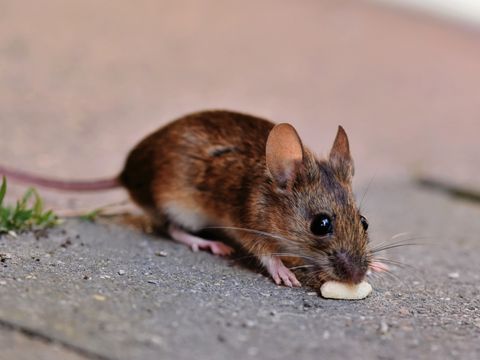
House mouse
Small, about 2.5–4 in. body, large ears, droppings like rice grains.
CDC notes mice can squeeze through a hole the size of a nickel. Often in kitchens, drawers and walls.
Rat
Larger, about 7–10 in. body, thicker tail, droppings like raisins.
Rats can squeeze through a hole about the size of a half dollar. Often in attics, garages, basements and outside burrows.
Quick facts
Practical steps
What to do now
What you can do today
- Put food in hard plastic, glass or metal containers with tight lids, including pet food.
- Clean crumbs and spills, and keep trash in a can with a tight lid.
- Set snap traps along walls where you've seen droppings, with the trigger end touching the wall.
- Fill small gaps with steel wool and seal around it with caulk.
- Keep firewood, debris and thick plants away from the walls of the house.
What to avoid
- Don't sweep or vacuum droppings dry. It can stir dust and germs into the air.
- Don't put loose bait where kids or pets can reach it. Bait belongs in a locked, tamper-resistant station.
- Don't seal gaps while rodents may still be inside the walls.
- Don't handle rodents or nests with bare hands.
Health and safety
- Rodents can carry germs in their urine, droppings and saliva. Some can cause serious illness, such as hantavirus.
- The CDC's clean-up method: wear rubber or plastic gloves, spray droppings with disinfectant or a bleach-and-water mix until soaked, wait 5 minutes, wipe up with paper towels, bag it, then disinfect the area and wash your hands.
- Rodent allergens can also trigger asthma in some people.
Based on public guidance from the U.S. EPA and CDC. See the sources below. In an emergency, call 911.
Getting help
When it's time for a pro
When to call a pro
Call a pro if you see droppings again after cleaning, hear activity in walls or the attic, find chewed wiring, or see rats.
What a pro visit usually looks like
- 1
Inspection
Inside and out: droppings, rub marks, nests, and every gap they could be using.
- 2
Trapping or baiting
Traps or locked bait stations placed where kids and pets can't reach them.
- 3
Exclusion
Sealing entry points once activity stops, so new rodents can't get in.
- 4
Follow-up
Return visits to check traps, remove catches and confirm activity has stopped.
Pros usually inspect for entry points, set traps or bait stations in safe spots, and seal gaps once activity stops. Ask the company you speak with how they plan to handle your situation and how to prepare.
Prevention
Keep mice and rats from coming back
- Seal gaps around pipes, vents, cables and the foundation.
- Add door sweeps, especially on garage and basement doors.
- Store food, birdseed and pet food in sealed containers.
- Keep grass short and shrubs trimmed back from the house.
- Store firewood off the ground and away from the walls.
- Fix leaks; rodents need water too.

Match what you see
Signs of mice and rats
 Call today
Droppings in a kitchen drawer
Probably: mice and rats Call today
Chewed holes in food bags
Probably: mice and rats Call today
Scratching in the walls at night
Probably: mice and rats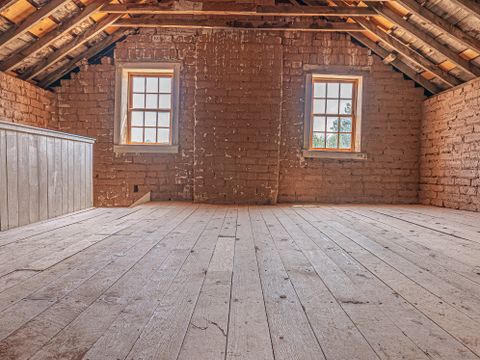 Call today
Running or gnawing in the attic at night
Probably: mice and rats Call today
Droppings and a musty smell in the basement
Probably: mice and ratsLearn more
Want the full picture?

Sources
- Rodent Control CDC
- How to Seal Up to Prevent Rodents CDC
- How to Clean Up After Rodents CDC
- Preventing Pests at Home (fact sheet, PDF) U.S. EPA
- Do's and Don'ts of Pest Control U.S. EPA
Our pages are our own plain-language summaries of public U.S. government guidance, with links to the originals.
FAQ
Questions about mice and rats
How do I know if mice are still active?
Clean up all droppings, then check the same spots over the next few days. New droppings, fresh gnaw marks or noises at night mean they're still there.
Do mice go away on their own?
Rarely. They stay as long as they find food, water and shelter. Trapping plus sealing the gaps is what stops them.
Is it safe to clean droppings myself?
For small amounts, yes, using the CDC's wet method with gloves and disinfectant. Don't sweep or vacuum them dry. For heavy infestations or nests in hard-to-reach spaces, a pro is the safer choice.
Why do I hear them at night only?
Mice and rats are mostly active at night, which is when they travel between nests and food.
How do mice get into a house?
Through small gaps around pipes, vents, doors and the foundation. CDC's Seal Up guidance shows where to look.
What size hole can a mouse fit through?
Very small ones. CDC notes mice can squeeze through openings about the size of a dime.
What do mouse droppings look like?
Small, dark, rice-sized pellets with pointed ends. Rat droppings are larger.
Should I use traps or poison?
Many people start with snap traps. Poison baits can leave rodents dying in walls and can be a risk to children and pets.
Where should I put mouse traps?
Along walls, behind appliances and where you see droppings, since mice travel along edges.
Do mice come inside in winter?
Yes. They look for warmth and food as it gets cold.
How do pros get rid of mice?
They find and seal entry points, set traps or bait stations, and come back to check activity.
How do I keep mice from coming back?
Seal gaps, store food in sealed containers, and keep clutter down where they could nest.
Pests
Other common pests
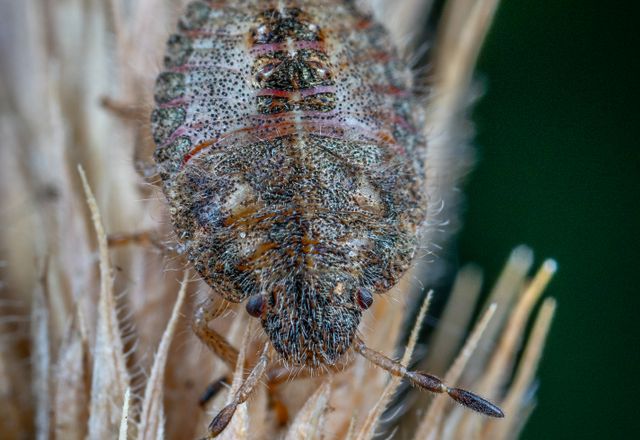
Bed bugs
Bed bugs ride in on luggage, used furniture and clothing, and hide within a few feet of where people sleep.
Signs and what to do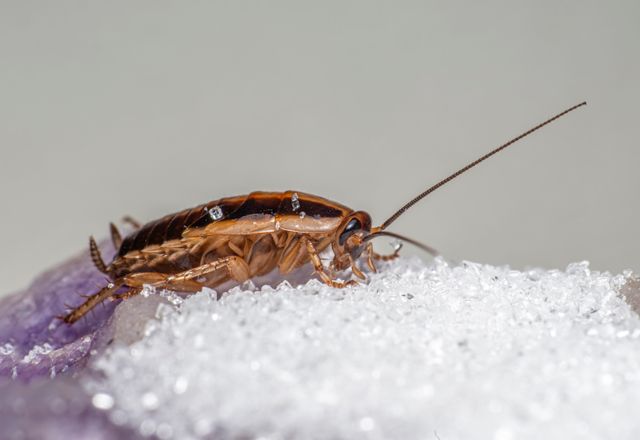
Cockroaches
German cockroaches live indoors near food and water; larger American roaches come in from drains and outside.
Signs and what to do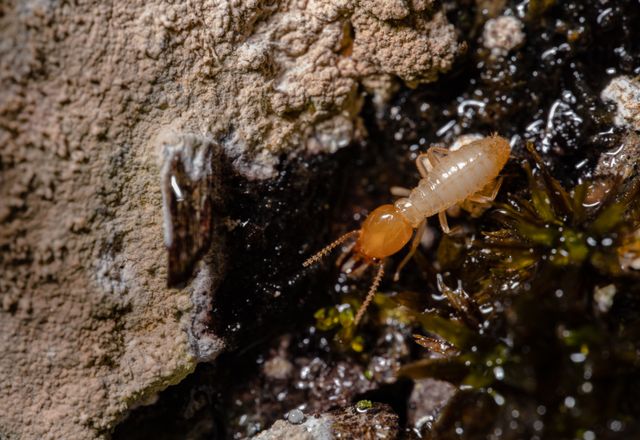
Termites
Subterranean termites come up from the soil through mud tubes; drywood termites live inside the wood itself.
Signs and what to doOur partner
Rather book online?
Compare local pest control pros, see their reviews and past jobs, and book through Thumbtack.
