
Pest guide
Spiders and scorpions
Lots of webs in the corners, a spider you don't recognize, or a scorpion on the floor? Here's what to check and when it matters.
What you're probably wondering
Need a pro? Call (855) 424-9709 to reach an independent local pest control company.
Start here
Check these first
What a pest pro would look at first. Most of it takes a flashlight and a few minutes.
- 1
Look at the webs: messy, tangled webs in dark corners vs. neat orb webs outdoors.
- 2
Check dark, undisturbed spots: closets, boxes, under furniture, garages and basements.
- 3
Look at the spider's markings from a safe distance (a red hourglass or a violin shape matters).
- 4
Notice other bugs. Lots of spiders often means lots of insects for them to eat.
- 5
For scorpions, check at night with a flashlight (many glow under UV light).
- 6
Check shoes, bedding and clothes on the floor before using them in scorpion areas.
Your situation
Common situations with spiders and scorpions
Black widow in the garage?
Black widows like quiet, undisturbed spots like garages, sheds and woodpiles.
Read Act this weekThink you have brown recluse spiders?
Brown recluses hide in clutter, closets and boxes in parts of the South and Midwest.
Read Act this weekScorpions in the house?
Scorpions come in through gaps, especially in warm, dry areas.
ReadRead the signs
If you see this, it usually means…
Identify
How to tell what you have
Black widow
Shiny black, round body, red hourglass under the abdomen.
Venomous. Usually in undisturbed spots like woodpiles, sheds and garages.
Brown recluse
Light to dark brown, with a darker violin shape on the front of the body.
Venomous. Hides in closets, boxes and clutter in parts of the South and Midwest.
Quick facts
Practical steps
What to do now
What you can do today
- Vacuum webs, egg sacs and spiders from corners, closets and windowsills.
- Cut clutter, especially boxes on the floor in closets, basements and garages.
- Store items in sealed plastic bins instead of cardboard.
- Shake out shoes, gloves and clothes that have been sitting, especially in scorpion areas.
- Move beds slightly away from walls and keep bedding off the floor.
What to avoid
- Don't handle spiders or scorpions with bare hands.
- Don't reach blindly into boxes, woodpiles or dark corners; wear gloves.
- Don't use foggers. They don't reach spiders and scorpions in cracks.
- Don't assume every spider is dangerous. Most house spiders are harmless and eat other insects.
Health and safety
- CDC/NIOSH notes the black widow and brown recluse are the main venomous spiders in the U.S. Spiders aren't usually aggressive; most bites happen when one is trapped or touched.
- Get medical care for a bite from a black widow or brown recluse, or any bite with spreading pain, sweating, cramps or a growing wound.
- Scorpion stings are painful; some species can cause serious symptoms, especially in children. Call Poison Control (1-800-222-1222) or 911 for severe symptoms.
Based on public guidance from the U.S. EPA and CDC. See the sources below. In an emergency, call 911.
Getting help
When it's time for a pro
When to call a pro
Call a pro if you find black widows or brown recluses indoors, see scorpions more than once, or have a heavy spider problem that keeps coming back.
What a pro visit usually looks like
- 1
Inspection
Identifying the spider or scorpion and where they're living and getting in.
- 2
Reducing their food
Treating the insects that attract spiders in the first place.
- 3
Targeted treatment
Treating cracks, wall voids and the outside perimeter instead of open rooms.
- 4
Sealing advice
Pointing out gaps around doors, windows and utility lines.
Pros usually treat entry points and hiding spots and reduce the insects they feed on. Ask the company you speak with how they plan to handle your situation and how to prepare.
Prevention
Keep spiders and scorpions from coming back
- Seal cracks and gaps around doors, windows, pipes and the foundation.
- Add door sweeps and fix torn screens.
- Keep woodpiles, rocks and debris away from the house.
- Use yellow bug lights outdoors and keep lights away from doors.
- Keep storage in sealed bins, off the floor.
- Trim plants away from the walls of the house.

Match what you see
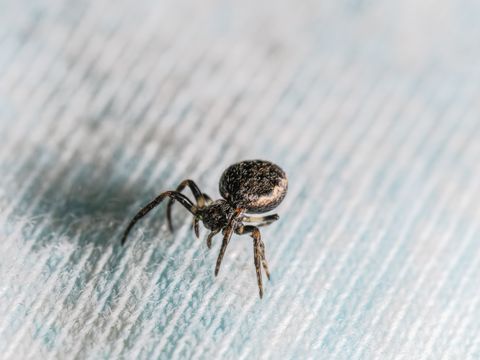
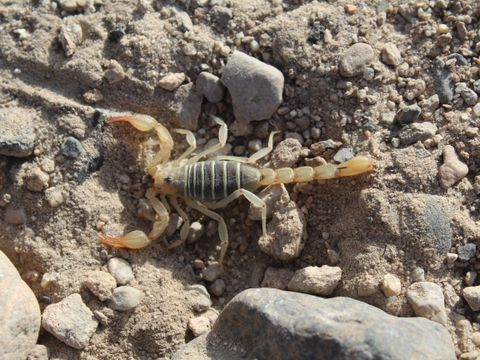
Signs of spiders and scorpions
Learn more
Want the full picture?

Sources
- Venomous Spiders at Work CDC / NIOSH
- Insects and Scorpions at Work CDC / NIOSH
- Preventing Pests at Home (fact sheet, PDF) U.S. EPA
- Do's and Don'ts of Pest Control U.S. EPA
Our pages are our own plain-language summaries of public U.S. government guidance, with links to the originals.
FAQ
Questions about spiders and scorpions
Why do I suddenly have more spiders?
Usually because there are more insects to eat, or because cooler fall weather brings some indoors. Reducing insects and sealing gaps helps.
Are cellar spiders or daddy longlegs dangerous?
No. They're harmless to people.
How do I know if it's a brown recluse?
Look for a darker violin shape on the front of the body and a plain brown color. Many brown spiders are mistaken for recluses, so a pro can confirm.
Do scorpions come in from outside?
Yes, through gaps under doors, around pipes and in walls, especially in warm, dry areas.
Are most house spiders dangerous?
No. Most are harmless and eat other insects.
How do I keep spiders out?
Seal gaps, reduce clutter, and cut down the insects they hunt.
What does a black widow look like?
Shiny black with a red hourglass shape under the belly.
Where do scorpions hide?
Under rocks, boards and debris outside, and in dark corners, closets and shoes inside in areas where they live.
Should I shake out shoes in scorpion areas?
Yes, and check bedding and towels.
Do spider webs mean an infestation?
Lots of webs mean spiders are finding plenty of food. Reducing other insects helps.
When should I get medical help for a spider bite or scorpion sting?
For severe pain, spreading redness, muscle cramps, trouble breathing, or symptoms in a child. Call 911 for severe reactions.
Can a pro treat for spiders?
Yes, usually with exclusion and treatment around entry points and hiding spots.
Pests
Other common pests
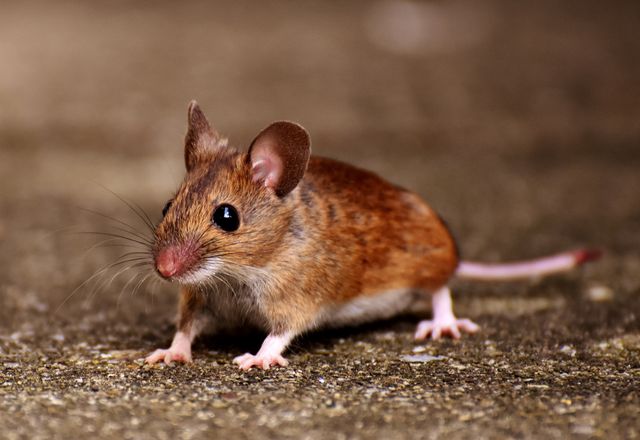
Mice and rats
Mice and rats move indoors for food, water and warmth, mostly in fall and winter.
Signs and what to do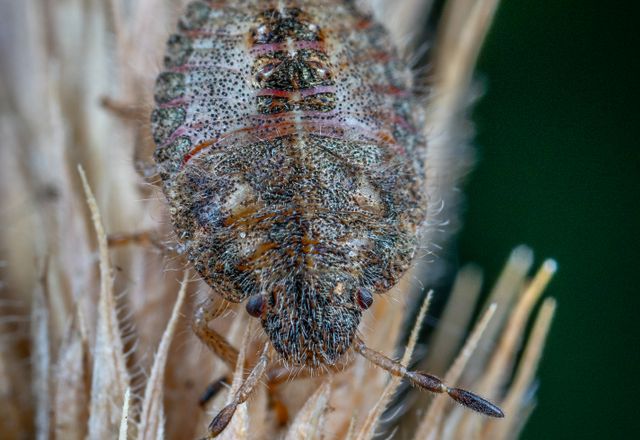
Bed bugs
Bed bugs ride in on luggage, used furniture and clothing, and hide within a few feet of where people sleep.
Signs and what to do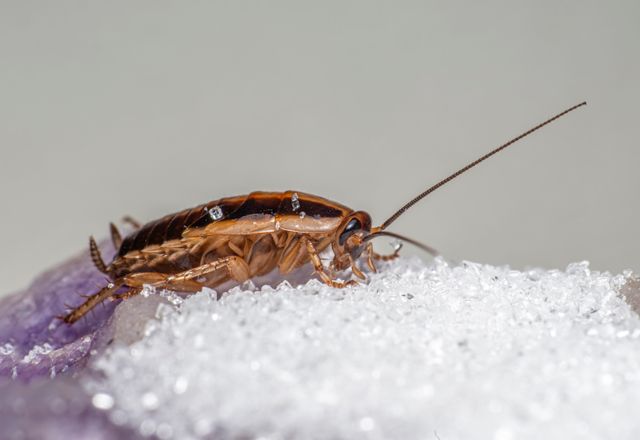
Cockroaches
German cockroaches live indoors near food and water; larger American roaches come in from drains and outside.
Signs and what to doOur partner
Rather book online?
Compare local pest control pros, see their reviews and past jobs, and book through Thumbtack.
