
Tools
Pest tools for homeowners
Small tools for real pest questions: is it a termite or an ant, how do I pest-proof the house, and what should I write down for the pest pro.
What you're probably wondering
Need a pro? Call (855) 424-9709 to reach an independent local pest control company.

Termite or flying ant?
Answer three quick questions about the winged insects you found and see which they look more like.
Open the tool
Pest-proofing checklist
Walk the house with this checklist, room by room, based on EPA and CDC advice. Tick off what's done and print it.
Open the tool
Pest sighting log
Write down what you see, where and when, then print it. It helps a pest pro figure out what's going on.
Open the toolKeep exploring
Pest help by pest
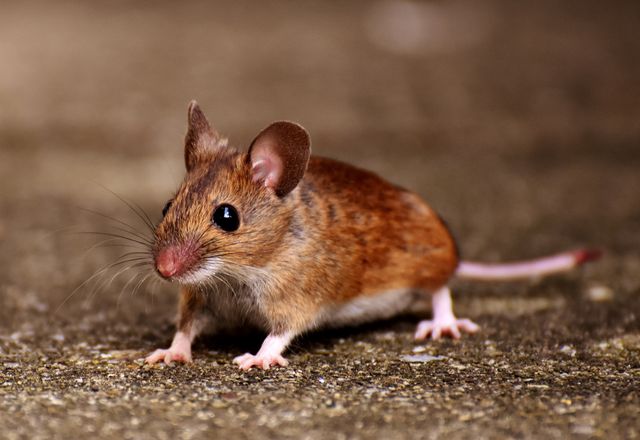
Mice and rats
Mice and rats move indoors for food, water and warmth, mostly in fall and winter.
Signs and what to do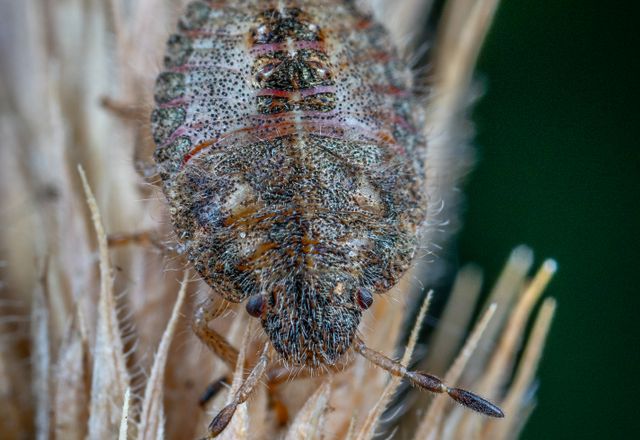
Bed bugs
Bed bugs ride in on luggage, used furniture and clothing, and hide within a few feet of where people sleep.
Signs and what to do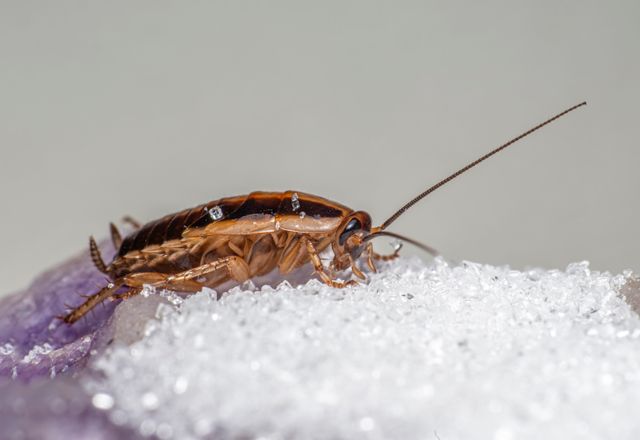
Cockroaches
German cockroaches live indoors near food and water; larger American roaches come in from drains and outside.
Signs and what to do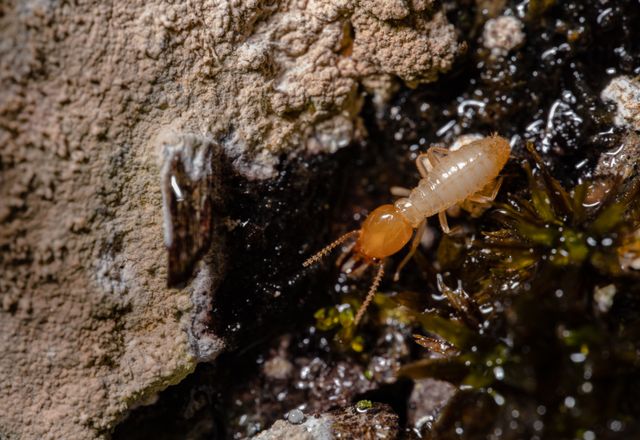
Termites
Subterranean termites come up from the soil through mud tubes; drywood termites live inside the wood itself.
Signs and what to do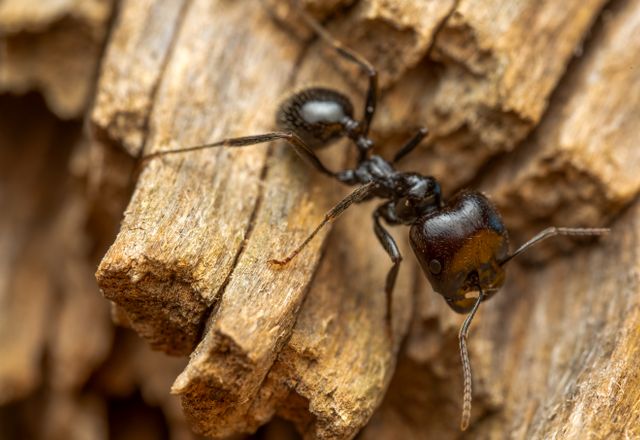
Ants
Most indoor ants are foragers from an outdoor nest; carpenter ants and some others nest inside.
Signs and what to do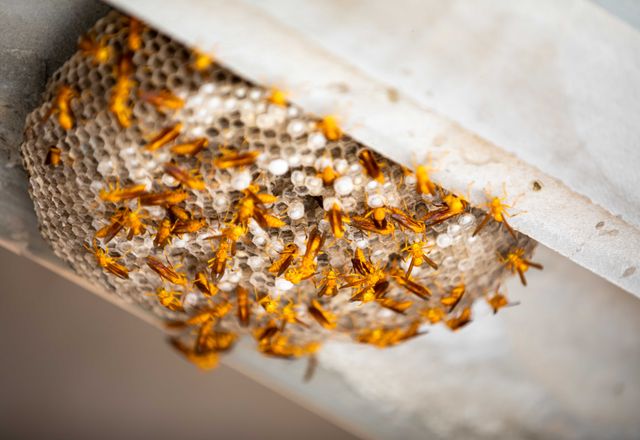
Wasps, hornets and yellowjackets
Stinging insects build nests under eaves, in walls, shrubs and in the ground.
Signs and what to do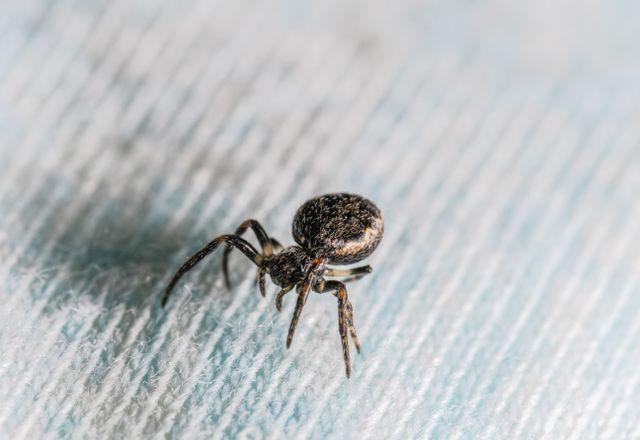
Spiders and scorpions
Spiders follow the insects they eat; scorpions shelter in walls and yard debris in the Southwest.
Signs and what to do
Fleas and ticks
Fleas build up in carpets and pet bedding; ticks wait in tall grass and leaf litter.
Signs and what to do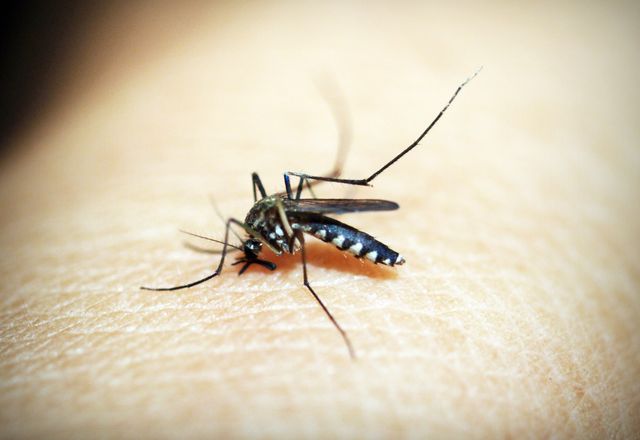
Mosquitoes
Mosquitoes breed in small pockets of standing water and rest in shady plants.
Signs and what to do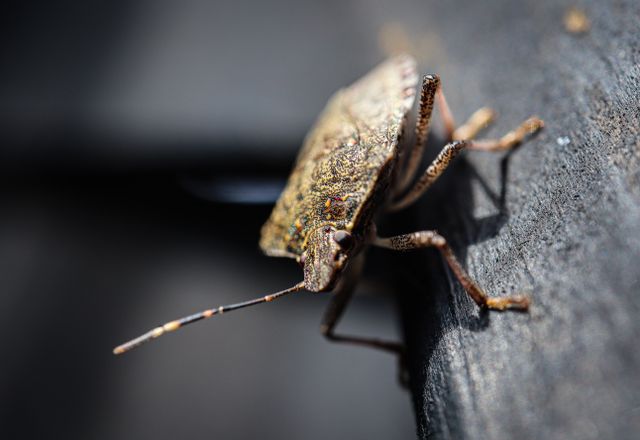
Stink bugs, pantry pests and other bugs
Fall invaders and pantry pests are mostly a nuisance but can build up fast.
Signs and what to do