
Pest guide
Termites
Mud tubes, swarms of winged bugs, hollow-sounding wood or piles of tiny wings? Here's what to check and why termites need a pro.
What you're probably wondering
Need a pro? Call (855) 424-9709 to reach an independent local pest control company.
Start here
Check these first
What a pest pro would look at first. Most of it takes a flashlight and a few minutes.
- 1
Look for mud tubes (pencil-width tunnels of dirt) on the foundation, piers and crawl space walls.
- 2
Check window sills and doors for piles of tiny wings, especially after a warm spring day.
- 3
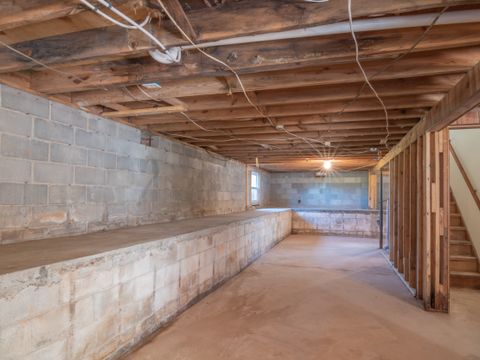
Tap or probe exposed wood in the basement or crawl space with a screwdriver. Soft or hollow spots are a warning sign.
- 4
Look for bubbling or cracked paint and wood that looks wavy or sunken.
- 5
Look for tiny pellet-like droppings near wood (a sign of drywood termites in some areas).
- 6
Check where wood touches soil: deck posts, porch steps, fence lines and wood piles.
Your situation
Common situations with termites
Termite swarmers in the house?
A swarm of winged insects indoors, often on a warm spring day, can mean termites nearby.
Read Act this weekTermites or wood rot?
Soft, damaged wood can be termites, rot, or both.
Read Can waitTermite check before buying a house?
Many home buyers have the house checked for termites and other wood pests before closing.
ReadRead the signs
If you see this, it usually means…
Identify
How to tell what you have
Termite swarmer
Straight antennae, thick waist, and two pairs of wings that are the same length.
Wings come off easily and are often found in piles.
Flying ant
Elbowed (bent) antennae, a pinched waist, and front wings longer than back wings.
Ant swarms are common too. EPA notes they're often mistaken for termites.
Quick facts
Practical steps
What to do now
What you can do today
- Collect a few swarmers or wings in a sealed bag or with clear tape for the inspector.
- Move firewood, mulch and wood debris away from the foundation.
- Fix leaks and make sure gutters and downspouts drain away from the house.
- Make sure there's a gap between soil and any wood siding or framing.
- Note where you saw the signs and when. Take photos.
What to avoid
- Don't spray swarmers with store-bought spray and assume the problem's solved. Swarmers are only a small part of the colony.
- Don't break open all the mud tubes before an inspection.
- Don't apply products to soil or wood yourself unless the label clearly covers termite control for structures.
- Don't wait months to have it checked. Termite damage builds slowly but steadily.
Health and safety
- Termites aren't known to spread disease and rarely bite people.
- The risk is to the structure: they feed on wood from the inside out, often for years before damage shows.
- Swarmers indoors are harmless to people; they die quickly without soil.
Based on public guidance from the U.S. EPA and CDC. See the sources below. In an emergency, call 911.
Getting help
When it's time for a pro
When to call a pro
Call a pro if you find mud tubes, see swarmers or piles of wings indoors, or find soft or hollow wood.
What a pro visit usually looks like
- 1
Inspection
Checking the foundation, crawl space, basement, attic and wood-to-soil contact points for tubes, damage and moisture.
- 2
Identification
Confirming termites (and which type) versus ants or other wood pests.
- 3
Treatment plan
Commonly soil treatment around the foundation, bait systems, or wood treatment, depending on the type and the house.
- 4
Monitoring
Ongoing checks or bait station monitoring, often yearly.
Pros usually inspect the whole structure, then use soil treatment, bait systems or wood treatment depending on the type. Ask the company you speak with how they plan to handle your situation and how to prepare.
Prevention
Keep termites from coming back
- Keep soil, mulch and firewood from touching the house's wood.
- Fix moisture problems: leaks, poor drainage, damp crawl spaces.
- Keep gutters clean and downspouts pointed away from the foundation.
- Ventilate crawl spaces and keep them dry.
- Use treated or naturally resistant wood for decks and posts that touch soil.
- Have the house checked yearly if termites are common in your area.


Learn more
Want the full picture?

Sources
- Termites: How to Identify and Control Them U.S. EPA
- Citizen's Guide to Pest Control and Pesticide Safety U.S. EPA
- Got Pests? Control Them Safely U.S. EPA
Our pages are our own plain-language summaries of public U.S. government guidance, with links to the originals.
FAQ
Questions about termites
Are termite swarmers in my house dangerous?
Not to people. They don't bite or sting and die quickly indoors. But they're a sign a colony may be active in or near the house.
Can termites be in a brick or concrete house?
Yes. Subterranean termites can travel through small cracks and along pipes to reach wood framing, floors and trim inside.
How fast do termites do damage?
Usually slowly, over months and years, which is why yearly checks in termite-prone areas are common.
Should I treat termites myself?
Most homeowners don't. Structural termite control needs the right product, equipment and placement around the whole foundation.
What do termites look like?
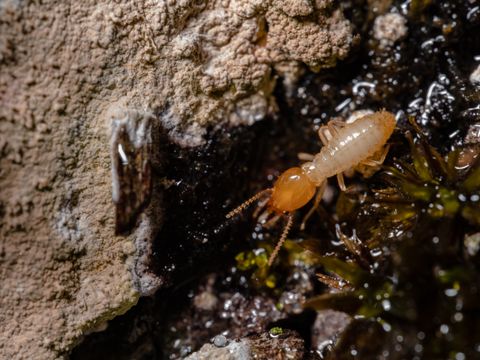
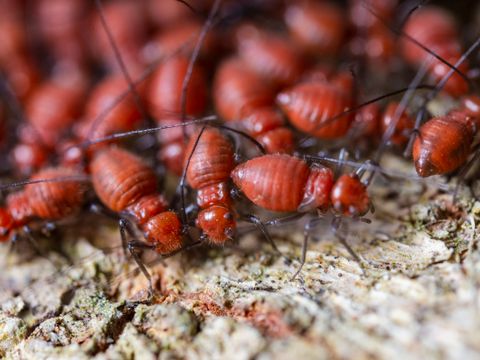
Small, pale, soft-bodied insects. Swarmers have wings of equal length and straight antennae.
What are mud tubes?
Pencil-width tunnels of soil that subterranean termites build on foundations to reach wood.
What's the difference between termites and flying ants?
Termites have straight antennae, thick waists and equal wings; ants have elbowed antennae, pinched waists and longer front wings.
How do I know if termites are active?
Fresh mud tubes, swarmers indoors, or hollow-sounding wood. A termite inspector can confirm.
Can termites come back after treatment?
Treatments wear off over time and new colonies can find the house, so periodic checks matter.
What attracts termites?
Wood touching soil, moisture near the foundation, and wood piles against the house.
Do drywood termites act differently?
Yes. They live inside dry wood and leave small pellets instead of mud tubes.
What should I tell the pest company?
What you saw, where, and when: swarmers, wings, mud tubes or pellets.
Pests
Other common pests

Mice and rats
Mice and rats move indoors for food, water and warmth, mostly in fall and winter.
Signs and what to do
Bed bugs
Bed bugs ride in on luggage, used furniture and clothing, and hide within a few feet of where people sleep.
Signs and what to do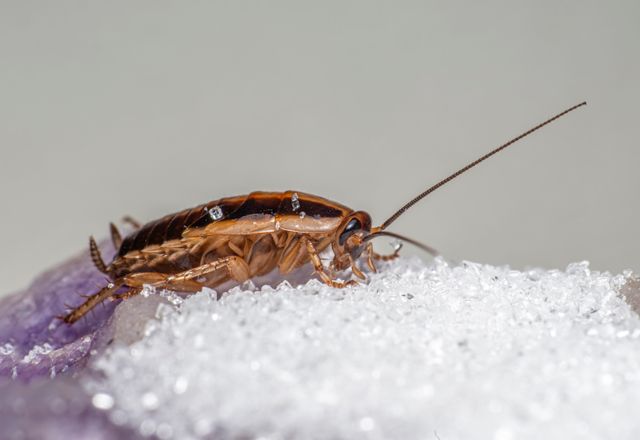
Cockroaches
German cockroaches live indoors near food and water; larger American roaches come in from drains and outside.
Signs and what to doOur partner
Rather book online?
Compare local pest control pros, see their reviews and past jobs, and book through Thumbtack.
