
Pest guide
Stink bugs, pantry pests and other bugs
Stink bugs on the windows in fall, bugs in the flour, or beetles you don't recognize? Here's what to check and how to clear them out.
What you're probably wondering
Need a pro? Call (855) 424-9709 to reach an independent local pest control company.
Start here
Check these first
What a pest pro would look at first. Most of it takes a flashlight and a few minutes.
- 1
For stink bugs: check sunny windows and walls, especially south- and west-facing, in fall.
- 2
For pantry pests: check flour, rice, cereal, pasta, nuts, spices and pet food for tiny bugs, larvae or webbing.
- 3
Look for small moths flying in the kitchen at night. Pantry moths often show up first.
- 4
Check the oldest packages at the back of the shelf first.
- 5
Look for gaps around windows, siding, vents and attic openings where fall bugs get in.
- 6
Note where and when you see them; it helps tell which bug it is.
Your situation
Common situations with stink bugs, pantry pests and other bugs
Small moths in the kitchen?
Small moths flying around the kitchen are often pantry moths from dry food.
Read Can waitCarpet beetles?
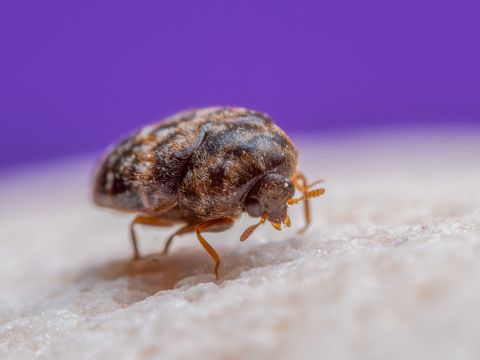
Small round beetles near windows, or fuzzy larvae in closets and carpets, are often carpet beetles.
Read Can waitStink bugs in the house in winter?
Stink bugs that crawled into walls in fall can wake up on warm winter days.
ReadRead the signs
If you see this, it usually means…
Identify
How to tell what you have
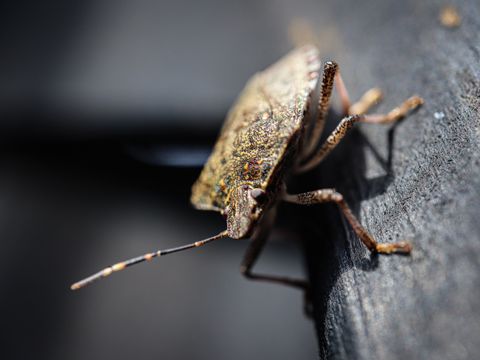
Stink bug
Shield-shaped, mottled brown, about 5/8 in.
Harmless but smelly when crushed. Gathers on warm walls in fall.
Pantry beetle
Very small, reddish-brown, slender.
Lives in dry foods; found in packages and on shelves.
Quick facts
Practical steps
What to do now
What you can do today
- Vacuum stink bugs and empty the vacuum bag into a sealed bag outside.
- Throw out any dry food with bugs, larvae or webbing, sealed in a bag.
- Vacuum pantry shelves, especially corners and cracks, then wipe them down.
- Store new dry foods in glass, metal or hard plastic containers with tight lids.
- Seal gaps around windows, screens and vents.
What to avoid
- Don't crush stink bugs indoors; they release a strong odor.
- Don't spray products on pantry shelves or food. Clean and throw out instead.
- Don't mix old and new flour or grains.
- Don't seal gaps from inside while bugs are still in the walls; seal from outside in late summer.
Health and safety
- Stink bugs and pantry pests aren't known to spread disease and don't bite people.
- Throw out food with bugs in it rather than eating it.
- Some people are sensitive to the odor of stink bugs or to dust from carpet beetles.
Based on public guidance from the U.S. EPA and CDC. See the sources below. In an emergency, call 911.
Getting help
When it's time for a pro
When to call a pro
Call a pro if stink bugs come in by the hundreds each fall, or if pantry pests keep coming back after a full clean-out.
What a pro visit usually looks like
- 1
Identification
Confirming the bug, so the right steps are taken.
- 2
Exterior sealing and treatment
For fall invaders, treating and sealing outside walls before they move in.
- 3
Pantry clean-out guidance
Finding the source package and the hiding spots.
- 4
Follow-up
Checking that the problem is gone, especially for pantry moths.
Pros usually seal entry points and treat the outside of the house before bugs move in. Ask the company you speak with how they plan to handle your situation and how to prepare.
Prevention
Keep stink bugs, pantry pests and other bugs from coming back
- Seal gaps around windows, siding, vents and utility lines in late summer.
- Repair or replace damaged screens.
- Buy dry foods in amounts you'll use in a couple of months.
- Store flour, grains, nuts and pet food in sealed containers.
- Check packages for damage or bugs when you buy them.
- Clean pantry shelves a few times a year.

Match what you see
Signs of stink bugs, pantry pests and other bugs
Learn more
Want the full picture?

Sources
- Do You Really Need to Use a Pesticide? U.S. EPA
- Got Pests? Control Them Safely U.S. EPA
- Preventing Pests at Home (fact sheet, PDF) U.S. EPA
- Do's and Don'ts of Pest Control U.S. EPA
Our pages are our own plain-language summaries of public U.S. government guidance, with links to the originals.
FAQ
Questions about stink bugs, pantry pests and other bugs
Do stink bugs damage the house?
No. They don't eat wood or fabric; they're just a nuisance, and smelly when crushed.
Where do pantry bugs come from?
Often from a package that was already infested at the store, then they spread to other foods in the pantry.
Can I freeze food to kill pantry bugs?
Freezing for several days can help for items you want to keep, but heavily infested food is better thrown out.
Why do stink bugs come back every year?
They return to the same warm walls. Sealing gaps from outside before fall is what reduces them.
What are pantry pests?
Small beetles and moths that infest flour, cereal, rice, pet food and spices.
How do I get rid of pantry bugs?
Throw out infested food, vacuum shelves, and store food in sealed containers.
Are silverfish harmful?
They don't bite but can damage paper, fabric and food. They like damp areas.
Why do I have tiny flies in my kitchen?
Fruit flies and drain flies breed in overripe fruit, drains and damp spots.
How do I get rid of drain flies?
Clean the drain thoroughly to remove the film they breed in.
Are carpet beetles harmful?
Their larvae can damage wool, silk and other natural fabrics.
Do stink bugs bite?
No. They're a nuisance, mainly in fall and winter.
When should I call a pro for small bugs?
When you can't find the source or they keep coming back.
Pests
Other common pests
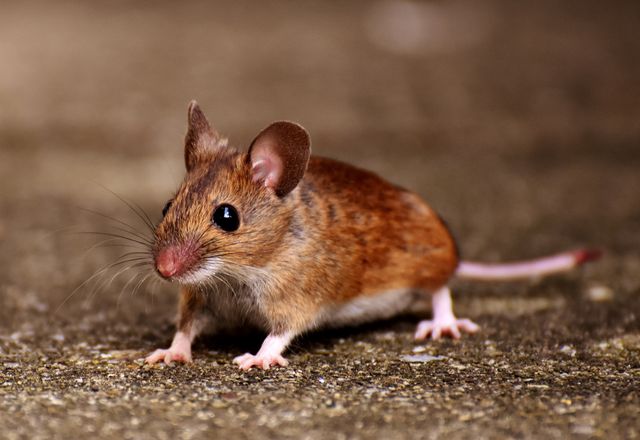
Mice and rats
Mice and rats move indoors for food, water and warmth, mostly in fall and winter.
Signs and what to do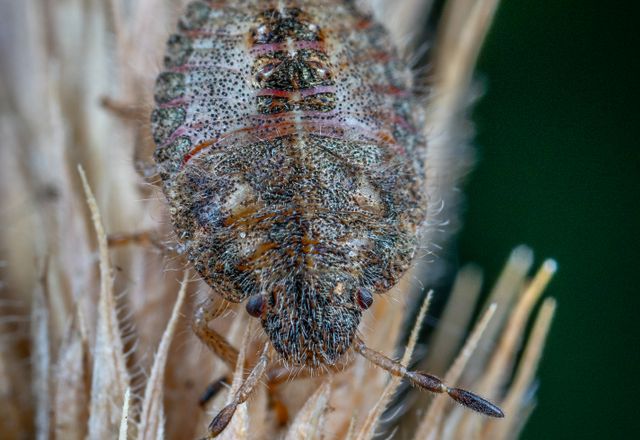
Bed bugs
Bed bugs ride in on luggage, used furniture and clothing, and hide within a few feet of where people sleep.
Signs and what to do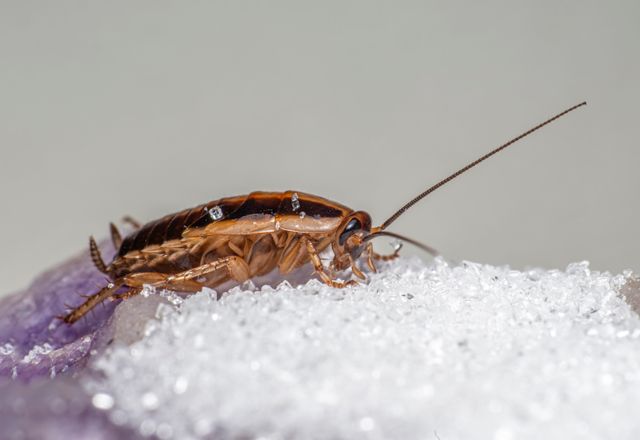
Cockroaches
German cockroaches live indoors near food and water; larger American roaches come in from drains and outside.
Signs and what to doOur partner
Rather book online?
Compare local pest control pros, see their reviews and past jobs, and book through Thumbtack.
